

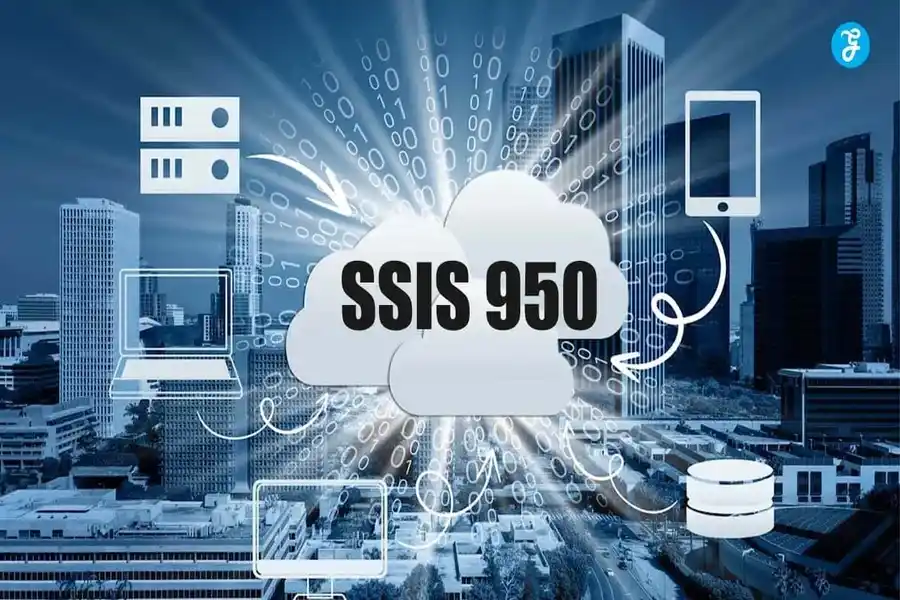
In today’s data-driven world, managing and integrating data efficiently is crucial for any business aiming to stay competitive. SSIS 950 stands out as a powerful tool designed to streamline data integration processes, enhance performance, and ensure seamless data flow across diverse platforms. This guide will take you through everything you need to know about SSIS 950, from its core features and benefits to best practices and real-world applications. By the end, you’ll understand why SSIS 950 is a game-changer in data integration technology.
What is SSIS 950?
SSIS, or SQL Server Integration Services, is Microsoft’s premier platform for data integration and workflow applications. The 950 version represents the latest advancement, offering enhanced capabilities for Extract, Transform, and Load (ETL) processes. This version is designed to handle complex data environments, integrating various data sources ranging from on-premises databases to cloud services.
SSIS 950 allows businesses to automate data migration, perform intricate transformations, and manage large data volumes with ease. Built with robust architecture, it supports scalable and reliable data pipelines crucial for real-time analytics and reporting.
Key Features of SSIS 950
SSIS 950 packs a variety of powerful features that set it apart from previous iterations and competitors. These features address common challenges faced in data integration and offer innovative solutions for modern data management.
Advanced Data Transformation Capabilities
One of the most impressive aspects of SSIS 950 is its sophisticated data transformation toolkit. Users can perform complex operations like data cleansing, aggregation, and merging without writing extensive code. It supports custom scripting through C# or VB.NET, providing flexibility to handle unique business logic.
Improved Performance and Scalability
SSIS 950 optimizes resource utilization, enabling faster data processing. Its multi-threaded engine can run tasks in parallel, significantly reducing execution time. Moreover, it scales effortlessly to accommodate growing data demands, whether it’s gigabytes or terabytes.
Integration with Cloud and On-premises Systems
Recognizing the hybrid nature of today’s IT ecosystems, SSIS 950 provides seamless connectivity to both cloud platforms (Azure, AWS) and on-premises data stores. This hybrid integration capability ensures businesses can migrate data smoothly and leverage cloud benefits without abandoning legacy systems.
Benefits of Using SSIS 950 for Your Business
Implementing SSIS 950 can yield multiple advantages that directly impact operational efficiency, cost, and data accuracy.
Cost-effectiveness and ROI
By automating repetitive data tasks and reducing manual errors, SSIS 950 lowers operational costs. Its compatibility with existing Microsoft infrastructure minimizes additional investments, resulting in a strong return on investment.
Enhanced Security Features
Security is paramount when dealing with sensitive data. SSIS 950 incorporates encryption for data in transit and at rest, role-based access controls, and compliance with major data protection regulations. This ensures your data workflows remain secure and trustworthy.
Step-by-Step Guide to Installing SSIS 950

Installing SSIS 950 involves several straightforward steps. Begin by ensuring your environment meets the prerequisites, including compatible SQL Server and Windows versions. Next, download the SSIS 950 installation package from the official Microsoft website. Follow the installation wizard, selecting features and configurations tailored to your requirements. After installation, configure connections to your data sources and test your first ETL package to verify functionality.
Best Practices for Optimizing SSIS 950 Workflows
Maximizing the efficiency of your SSIS 950 processes involves adopting best practices throughout design and execution.
Error Handling and Logging
Implement comprehensive error handling to catch and log exceptions during data workflows. SSIS 950 offers built-in logging providers that record task execution details, which are invaluable for troubleshooting.
Performance Tuning Strategies
Optimize data flow by limiting the use of blocking transformations, leveraging partitioning, and balancing workloads across threads. Regularly monitor performance metrics to identify bottlenecks and adjust accordingly.
Real-World Use Cases of SSIS 950

Businesses across various industries have leveraged SSIS 950 for critical data integration tasks. Retailers use it to consolidate sales data from multiple stores for centralized reporting. Financial institutions automate transaction processing and fraud detection workflows. Healthcare providers integrate patient records from disparate systems to maintain comprehensive electronic health records.
Common Challenges and How to Overcome Them
While SSIS 950 is robust, users might encounter challenges such as complex data transformations that require advanced scripting or connectivity issues with certain cloud services. Overcoming these involves continuous learning, utilizing community forums, and staying updated with the latest patches and documentation.
Comparison: SSIS 950 vs Previous Versions
Compared to its predecessors, SSIS 950 offers superior performance, enhanced cloud integration, and improved user experience with a more intuitive interface and advanced debugging tools. These enhancements make it easier to develop, deploy, and maintain complex ETL packages.
Future Trends in Data Integration and SSIS
Data integration is evolving rapidly, with trends like AI-powered data mapping, real-time data streaming, and increased focus on data governance. SSIS 950 is positioned to adapt to these trends through continuous updates and integration with AI services, ensuring long-term relevance.
Resources for Learning and Mastering SSIS 950

To master SSIS 950, consider official Microsoft documentation, online courses on platforms like Pluralsight and Udemy, and active participation in user communities like Stack Overflow and MSDN forums. These resources provide tutorials, problem-solving tips, and updates on new features.
Frequently Asked Questions (FAQs)
Q1: What platforms does SSIS 950 support?
SSIS 950 supports Windows environments and integrates with SQL Server and Azure cloud services, enabling hybrid data workflows.
Q2: Is SSIS 950 suitable for real-time data processing?
Yes, with its improved performance and integration capabilities, SSIS 950 can be used for near real-time ETL tasks.
Q3: Can SSIS 950 handle unstructured data?
While primarily designed for structured data, SSIS 950 can process semi-structured data through custom components and scripts.
Q4: What are the system requirements for SSIS 950?
It requires a compatible SQL Server version (2019 or later), Windows Server 2016 or newer, and sufficient hardware resources depending on data volume.
Q5: How does SSIS 950 ensure data security?
Through encryption, role-based access control, and compliance features that safeguard data during integration processes.
Q6: Are there any free tools to complement SSIS 950?
Yes, tools like SQL Server Data Tools (SSDT) and third-party extensions can enhance development and monitoring.
Conclusion: Why SSIS 950 is a Game-Changer
SSIS 950 redefines data integration by combining powerful features, high performance, and seamless cloud compatibility. Its robust architecture and user-friendly tools empower businesses to manage data efficiently, reduce costs, and make informed decisions faster. Whether you are migrating legacy data or building complex ETL pipelines, SSIS 950 provides the reliability and flexibility necessary for success in today’s fast-paced data landscape.
