

Ankle injuries and pain can happen to anyone at any age. suddenly disrupt your daily activities in most cases. They can make walking and standing feel difficult or even impossible to do. You might know this if you have ever encountered knee discomfort.
Discomfort can even kick in on those times when you are sitting and sleeping. That is the reason why orthopedic ankle supports were crafted. Now the necessary part is to know which type of ankle support you should use. Finding the right support aid is crucial for a smooth and comfortable recovery. Two very popular options for managing joint issues are ankle binders and compression wraps.
These two ankle supports look similar at first glance. However, they offer completely different recovery benefits. Selecting the wrong support tool can accidentally delay your healing timeline or fail to provide adequate relief.
This blog uncovers the essential differences between an ankle binder and a compression wrap.
Understanding the Ankle Binder
An ankle binder is more of a structured support device. It is usually made of thick, elastic fabric and has features such as adjustable straps or hook-and-loop fasteners.
Features of an Ankle Binder
- Targeted Immobilization
It restricts unnecessary movement of the joint
- Firm Support
It offers a high level of stability to weak or injured ligaments
iii. Easy Application
The pre-shaped design makes it simple to put on and adjust
When to Use an Ankle Binder
An ankle binder is ideal for situations that require structural reinforcement. The binder keeps the joint aligned when you have a moderate sprain. It keeps the ankle from turning inward or outward unexpectedly. It is also highly beneficial during the later stages of post-surgery recovery when you start putting weight on your foot again.
Understanding the Compression Wrap
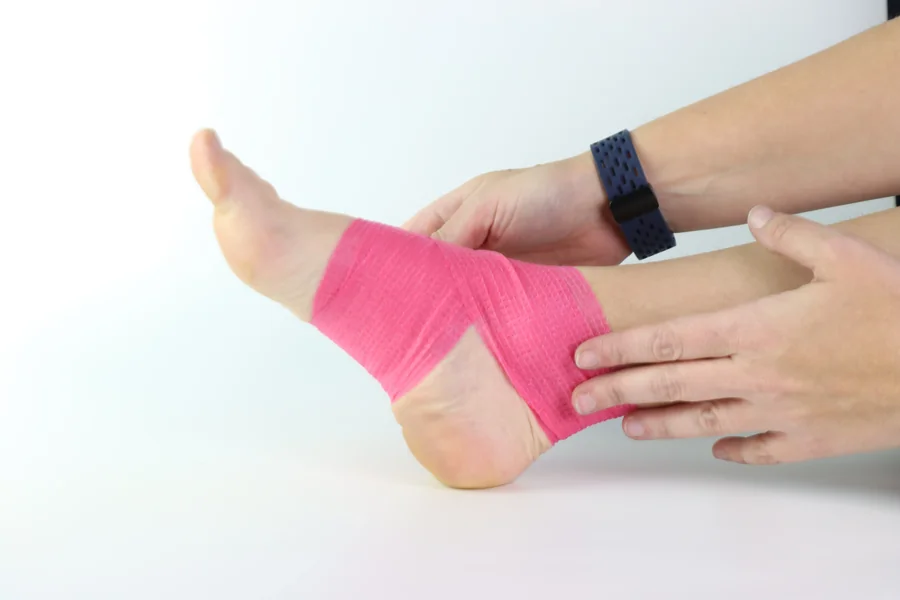
A compression wrap is a long, continuous strip of stretchable fabric. You may know it as an elastic bandage or a crepe bandage. It does not have a fixed shape like a binder.
Features of a Compression Wrap
- Customizable Pressure
You control how tightly or loosely you wrap the injury
- Swelling Management
The primary goal is to apply gentle pressure to reduce fluid buildup
iii. Versatility
You can shape it to fit any body part, from ankles to wrists
When to Use a Compression Wrap
Compression wraps excel in the acute phase of an injury. Right after a twist or strain, swelling is the main issue. A compression wrap helps keep inflammation down. It provides a flexible level of comfort without completely immobilizing the joint.
Differences Between an Ankle Binder and a Compression Wrap
| Feature | Ankle Binder | Compression Wrap |
| Main Purpose | Joint stability and immobilization | Swelling reduction and flexible support |
| Structure | Semi-rigid with pre-shaped strap | Flexible and continuous fabric roll |
| Level of Support | Moderate to High | Mild to Moderate |
| Adjustability | Limited to strap tightness | Highly customizable fit and pressure |
| Best Used For | Sprains
Strains Post-injury recovery |
Fresh injuries
Swelling Minor soreness |
Tips for Safe and Effective Usage
Using these support aids correctly is the way to make sure you acquire the maximum benefits. It helps avoid risks of causing further irritation.
- Do not Over-Tighten
Secure your ankle binder and compression wrap firmly. Just make sure blood circulation is not impaired. Tingling and numbness in your toes and fingers indicate that the fit is too tight.
- Maintain Good Hygiene
Sweat can build up under elastic fabrics. Wash your knee support or ankle binder regularly according to the manufacturer instructions to prevent skin irritation.
iii. Limit Usage Duration
Avoid wearing compression sleeves or binders continuously unless a healthcare professional advises it. Your skin and muscles need time to breathe and move naturally.
- Combine with Rest
Knee braces and wraps are effective aids. However, they function effectively when incorporated with rest and ice application, as well as elevation.
- Do Not Depend Solely on Supports
Braces and wraps are meant to assist recovery. They function effectively when incorporated with proper rest, gentle stretching, and appropriate rehabilitation exercises.
Wrapping Up
Ankle binders and compression wraps are both exceptional tools for managing joint discomfort. The main point of difference is that they serve distinct roles.
- The ankle binder is your choice for structural stability, ligament protection, and joint alignment.
- The compression wrap is your go-to solution for early-stage swelling control and flexible comfort.
This functional division is identical to the choices you face in knee care. An ankle binder belt provides structural safety, while the compression wrap offers soothing compression for daily aches. Just by assessing whether your joint requires mechanical stabilization or simple swelling management, you can select the effective aid to support your journey back to full mobility. Assistance from a healthcare expert is also what you should consider. This saves you from the hassle and confusion of trying to figure out everything by yourself.
