

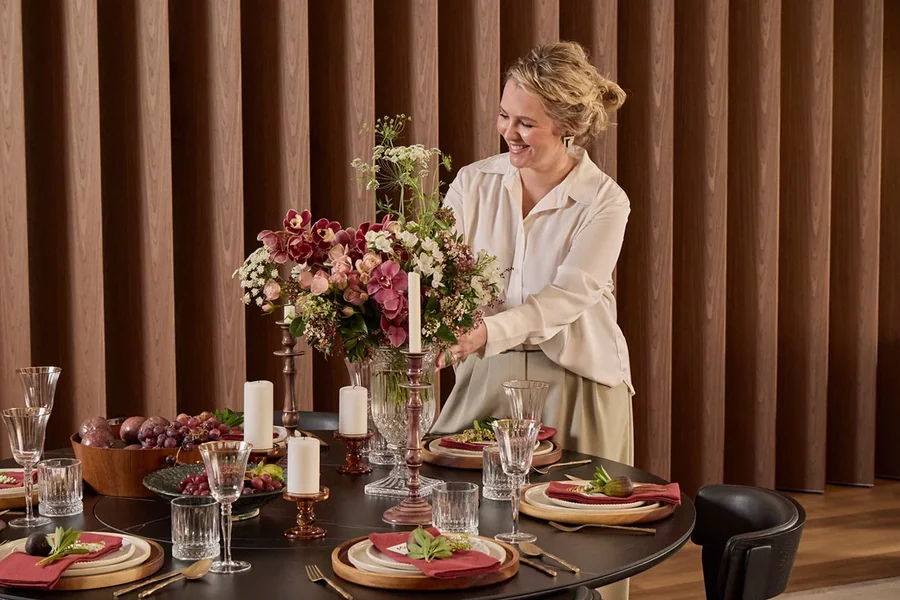
A good dining setup can make everyday meals feel more special. You don’t need expensive items to create a beautiful dining space—just a few thoughtful elements can make a big impact.
Choose a Simple Color Theme
Start with a basic color palette. Neutral tones like white, beige, or soft pastels create a calm and elegant look.
Use Matching Dinnerware
Dinnerware is an important element of the dining area – using matching plates, bowls, and cutlery makes your table look clean and organized. It creates a balanced and pleasing appearance.
Add Small Decorative Elements
Adding candles, flowers, or a simple centerpiece can instantly improve the look of your dining table.
Focus on Lighting
Soft lighting creates a warm and inviting atmosphere. It makes meals feel more relaxed and enjoyable.
Keep It Clutter-Free
Avoid overcrowding the table. Keep only the necessary items to maintain a neat and clean setup.
Creating a beautiful dining aesthetic is less about expensive décor and more about intentional choices that make your table feel welcoming, balanced, and visually harmonious. Whether you’re hosting guests or simply upgrading everyday meals, small design decisions can transform an ordinary table into a thoughtful dining experience.
Start with the foundation: your table surface and base layer. A clean, uncluttered table immediately sets the tone for elegance. You can keep the natural wood exposed for a minimal, organic look, or use a neutral tablecloth or runner to soften the space. Linen and cotton fabrics work especially well because they add texture without feeling overly formal. The goal is to create a calm backdrop that allows other elements to stand out.
Next, focus on consistency in your dinnerware. Matching plates, bowls, and glassware create a sense of cohesion that instantly elevates the table. If you prefer a more curated style, choose pieces within the same color palette or material family—for example, ceramic plates in earthy tones or clear glass with simple lines. Avoid mixing too many patterns unless you’re intentionally going for an eclectic aesthetic.
Layering is where your table starts to feel designed rather than just functional. Placemats, chargers, or cloth napkins introduce depth and dimension. Even simple folded napkins can add sophistication when placed neatly beside or on top of plates. The key is subtle layering—each element should complement the others rather than compete for attention.
Lighting plays a major role in setting the mood. Soft, warm lighting is ideal for creating an inviting atmosphere. If possible, dim overhead lights and incorporate candles or small accent lighting on the table. Candlelight adds warmth, movement, and intimacy, making even a simple dinner feel special. For daytime dining, natural light combined with clean table styling works beautifully.
A centerpiece helps anchor the table visually. It doesn’t need to be elaborate—simplicity often works best. Fresh flowers, a small arrangement of greenery, or even a single sculptural object can provide focus without cluttering the space. Seasonal elements, such as autumn leaves or spring blooms, can also subtly refresh your table throughout the year.
Pay attention to color harmony. Neutral tones like whites, beiges, greys, and soft greens create a timeless look, while small accents of color can add personality. The idea is to maintain balance so nothing feels visually overwhelming.
Finally, remember that restraint is essential. A well-designed dining aesthetic is not about filling every inch of space but about allowing each element to breathe. Leave negative space on the table so the arrangement feels intentional and calm rather than crowded.
Ultimately, elevating your table setup is about creating an experience—not just a place to eat. With thoughtful choices in texture, lighting, and simplicity, your dining space can feel refined, comfortable, and inviting every day.
Final Thoughts
Dining aesthetic is about simplicity and comfort. A well-arranged table can make even simple meals feel more enjoyable and special.
